
Research at the Heart of our Communities: PPIEP Contributors Help Shape Future Outreach
Who are we reaching, who are we missing, and how can we do better? These were the questions that sparked lively discussions as Patient and Public Involvement, Engagement and Participation (PPIEP) contributors came together at NIHR St George’s Clinical Research Facility (CRF) on Monday 26 October to help shape the future of community research engagement across South West London.
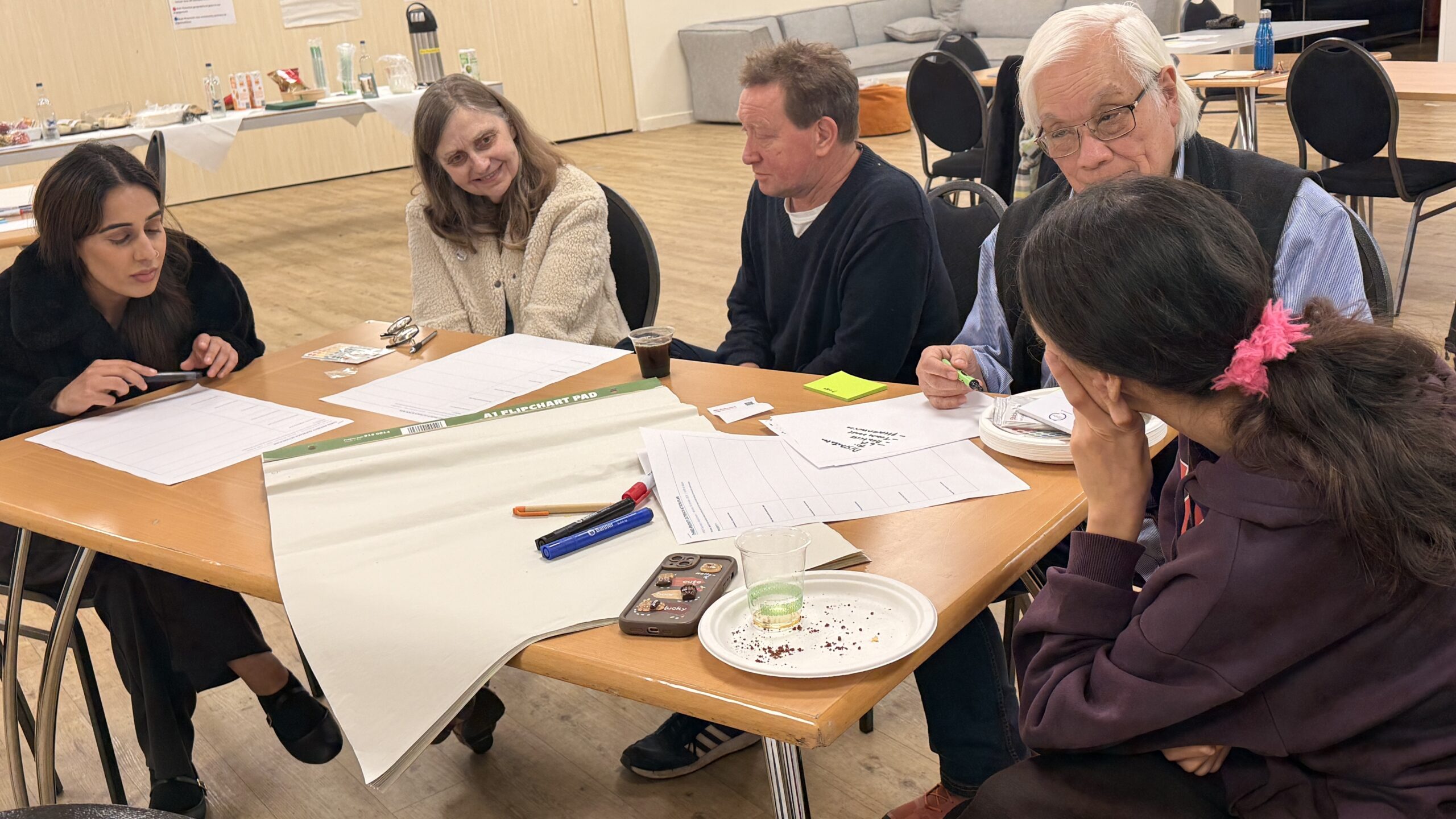
Armed with colourful sticky notes, community outreach cards, maps and a wealth of local knowledge, contributors took part in an interactive Community Outreach Workstream workshop designed to look beyond traditional approaches to research engagement and explore how the CRF can reach people whose voices are often missing from health research.
The evening began with a journey through the CRF’s community outreach activities, from research cafés and local festivals to faith-based events and partnerships with community organisations. Members reflected on the relationships developed through initiatives such as the Dementia and Arthritis Research Cafés with Positive Network Community Project, alongside engagement with local communities at events across Wandsworth, Merton and neighbouring boroughs.
But the focus wasn’t just on celebrating achievements. Contributors were challenged to ask a more difficult question: Are we reaching the communities that need to hear about research opportunities, or are we repeatedly engaging with those we already know?
Using a large community map, members identified where the CRF has established partnerships, attended one-off events and could potentially strengthen its presence. The exercise generated discussions about geographical gaps, trusted community networks and the importance of taking research directly to people rather than expecting them to come to the hospital.
Adding another dimension to the discussions, 2021 Census ethnicity data for Wandsworth and Merton helped members explore the diversity of the local population and consider how closely the CRF’s outreach reflects the communities it serves. The figures highlighted the importance of looking beyond broad ethnic categories to recognise the many different communities, cultures and backgrounds within them.
One of the evening’s key activities, “The Missing Voices”, encouraged contributors to consider populations who may face additional barriers to getting involved in research. From language and accessibility challenges to limited awareness and mistrust, members explored what might prevent people from participating and how trusted local organisations could help bridge those gaps.
Drawing on their lived experiences and community connections, contributors shared ideas for reaching people through familiar, welcoming spaces such as community centres, places of worship, local events, libraries, GP Surgeries and established support networks. The discussions reinforced the importance of listening first, understanding community priorities and working alongside local people to develop meaningful engagement.
The workshop concluded with a focus on turning ideas into action, identifying potential outreach priorities and opportunities for new partnerships that will help guide the CRF’s future community engagement activities.
The event also came at an exciting time for the CRF’s PPIEP programme, following the successful selection of Positive Network Community Project as a Research Engagement Hub by the South West London Research Engagement Network. Building on an established partnership developed through community Research Cafés, the Hub will create further opportunities for local people to connect with researchers, share their experiences and help shape research that matters to them.
The evening demonstrated that inclusive research is about much more than increasing participation numbers. It is about creating opportunities for people to be heard, building trust and ensuring that communities play an active role in shaping research.
As the CRF continues to strengthen its community partnerships, the message from contributors was clear: research should not simply reach our communities — our communities should help shape it.